Daily Habits That Help your Your Neck Pain
Sep 12, 2025
|
4
min read

Neck pain doesn’t always come from a dramatic injury or medical condition. More often, it develops quietly, from the small things we do every day. Hours on screens, awkward postures, and even how we sleep can gradually strain the muscles, joints, and discs in the cervical spine.
These daily habits may seem harmless, but over weeks, months, or years, they set the stage for stiffness, discomfort, and even long-term problems. Understanding which habits hurt your neck — and how to adjust them — is one of the simplest ways to reduce pain and prevent issues from becoming chronic.
Why Habits Matter
The neck supports the head, which weighs about 10–12 pounds. Every time posture shifts forward or muscles tighten, the load increases. For example, tilting your head just 15 degrees while looking at a phone can more than double the force on the cervical spine [1]. Multiply that by hours of screen use daily, and it’s easy to see why habits play such a major role in neck health.
Unlike sudden injuries, these strains build slowly. A day or two of poor posture may only cause mild discomfort. But months of repeating the same movements often turn acute pain into chronic pain that requires more structured treatment.
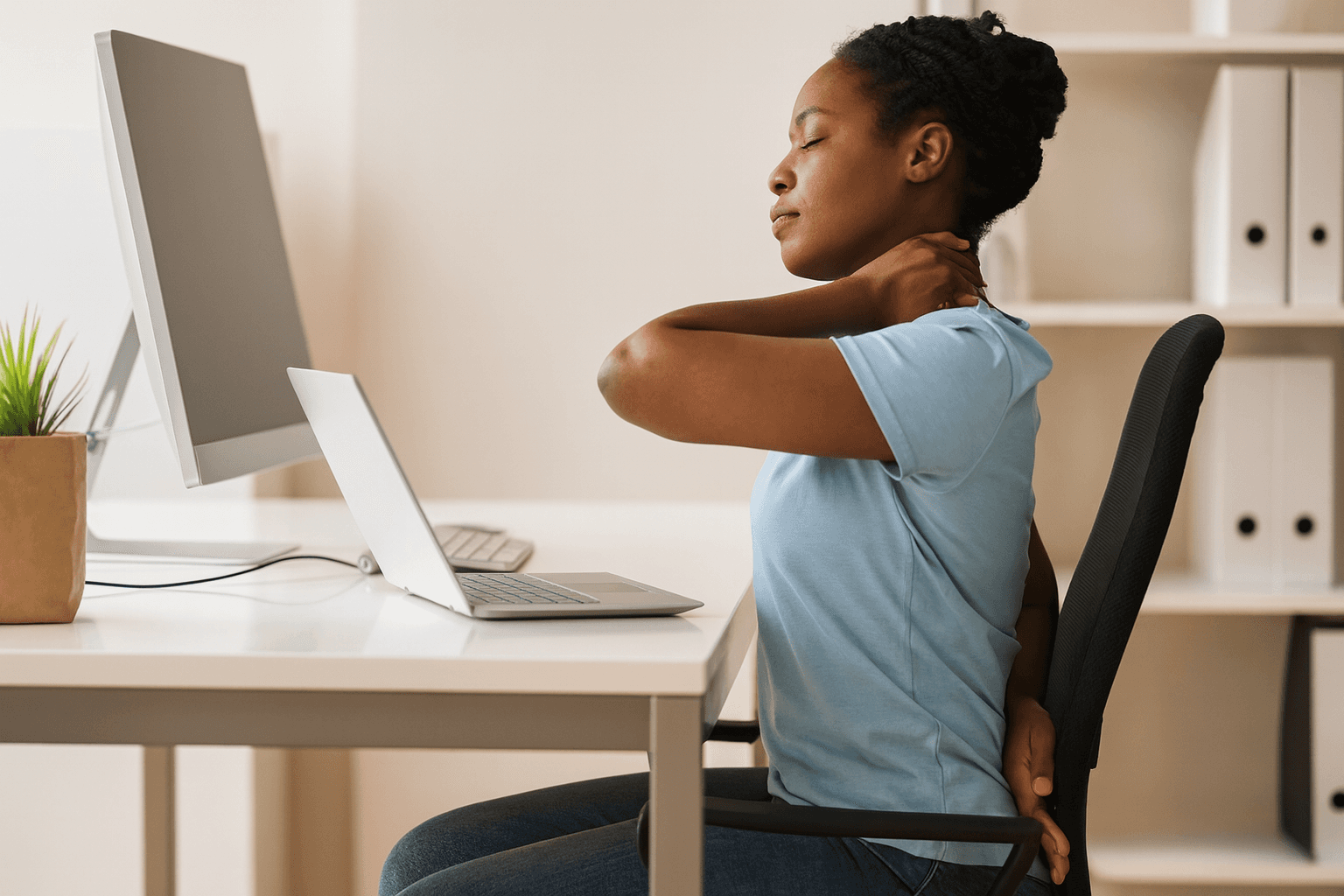
1. Prolonged Screen Time
“Tech neck” has become a modern epidemic. Hours spent looking down at laptops, phones, or tablets push the head forward and round the shoulders. This posture shortens some muscles while overstretching others, creating imbalance and pain.
The Fix
Raise screens to eye level.
Take breaks every 30–45 minutes to stretch.
Keep shoulders relaxed and back supported.
Adjustments like these are part of simple workstation hacks that prevent long-term strain.
2. Poor Posture While Sitting
Slouching in chairs or leaning forward at a desk puts constant stress on the cervical spine. Over time, this can cause stiffness, limited range of motion, and even degenerative changes.
The Fix
Sit with your back supported and feet flat.
Keep hips and knees level.
Position ears over shoulders rather than jutting forward.
These small corrections are outlined further in how posture shapes neck health.
3. Cradling the Phone
Holding a phone between your shoulder and ear may feel convenient, but it compresses muscles and ligaments on one side of the neck. Repeating this habit increases the risk of muscle imbalance and tension headaches.
The Fix
Use speakerphone or a headset.
Hold the phone in your hand instead of wedging it between head and shoulder.
4. Awkward Sleeping Positions
Sleeping on your stomach with your head twisted to the side is particularly hard on the neck. Too many pillows can also push the head forward, straining muscles overnight.
The Fix
Sleep on your back or side with a supportive pillow.
Choose pillows that keep the neck aligned with the spine.
Better rest is one of the most effective sleep tips for reducing stiffness.
5. Carrying Heavy Bags
Backpacks worn on one shoulder or oversized purses create uneven loading. This forces muscles on one side of the neck and shoulder to work harder, leading to strain.
The Fix
Distribute weight evenly with a backpack or crossbody bag.
Keep loads as light as possible.
Switch sides regularly if you carry one-shoulder bags.
6. Ignoring Stress and Tension
Stress doesn’t just affect the mind — it tightens muscles, especially around the shoulders and neck. Prolonged tension restricts motion and contributes to pain. Over time, this connection between stress and neck pain can turn temporary tightness into persistent discomfort.
The Fix
Practice breathing exercises or mindfulness.
Take stretch breaks during stressful workdays.
Use relaxation techniques before bed.
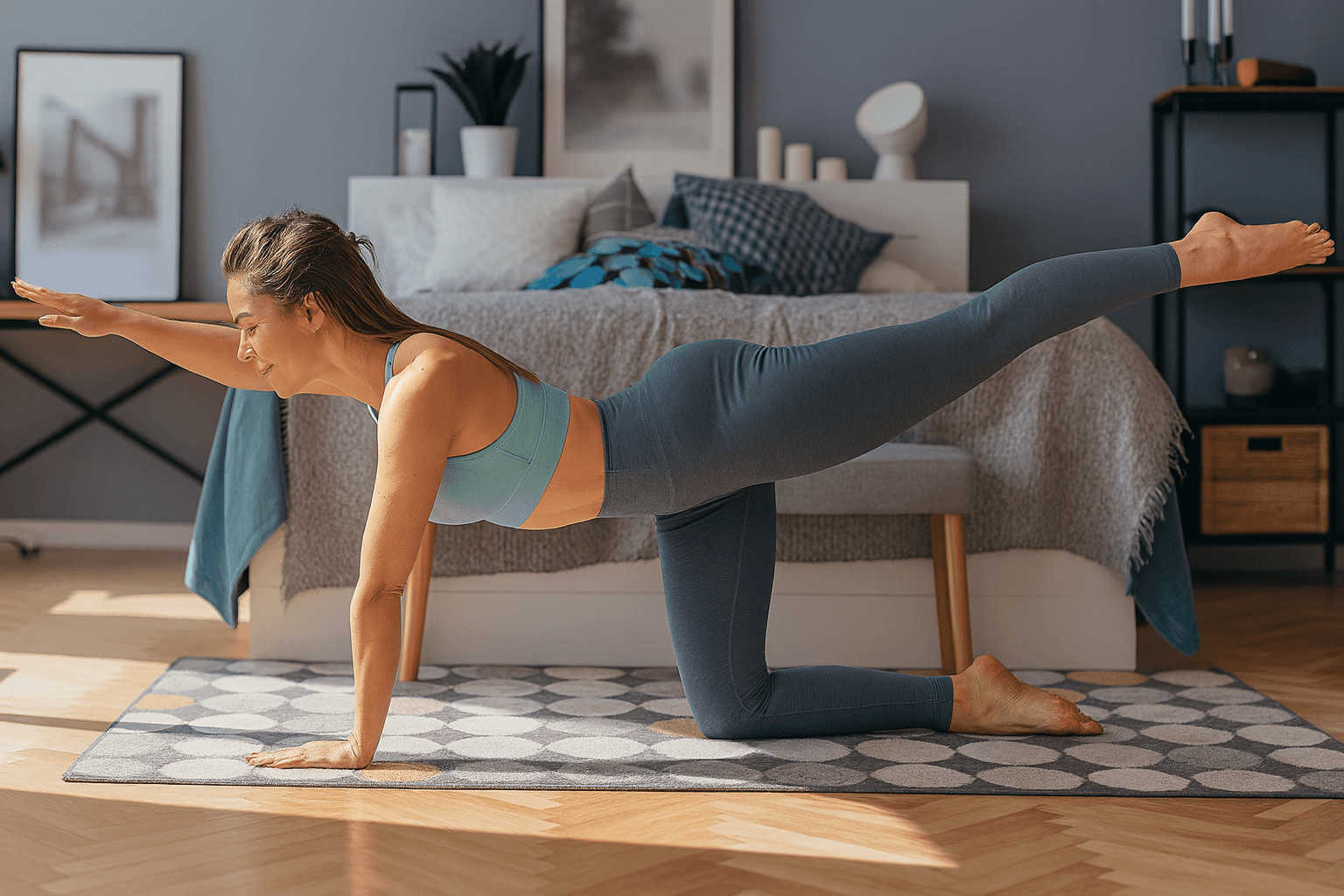
7. Skipping Regular Movement
Long periods of sitting, driving, or even standing still can stiffen joints and shorten muscles. Motion keeps tissues lubricated and strong, while inactivity does the opposite.
The Fix
Stand up and stretch at least once an hour.
Add light neck mobility exercises to your day.
Stay active with walking, swimming, or yoga.
The benefits of movement are central to exercises for a strong neck.
8. Poor Ergonomics at Work
Workstations that don’t fit your body encourage awkward postures. Monitors that are too low, chairs that don’t support your back, or desks that are too high all force the neck into unnatural positions.
The Fix
Adjust monitor height so the top is at eye level.
Use an ergonomic chair with proper support.
Position the keyboard and mouse close enough to prevent leaning.
These adjustments are some of the easiest workstation hacks to implement.
9. Lack of Recovery Time
Even healthy routines like exercise can strain the neck if done without recovery. High-intensity workouts, heavy lifting, or repetitive movements may trigger flare-ups. Without time to rest and restore, the risk of long-term stiffness rises.
The Fix
Alternate workout types to avoid overuse.
Focus on form to protect the neck.
Allow rest days for recovery.
For recurring stiffness after exercise, neck stiffness explains why recovery matters.
When Habits Turn Harmful
A single bad night of sleep or a long day on the computer isn’t likely to cause lasting damage. But repeating these habits day after day changes how muscles and joints function. Over time, discs may degenerate, nerves may become irritated, and pain may spread into the shoulders or arms.
This progression highlights why paying attention to habits is so important. By adjusting daily behaviors now, you reduce the risk of developing conditions that require medical care. If symptoms persist, it may be a sign of when neck pain needs a doctor.
Breaking the Cycle
Changing habits doesn’t have to be overwhelming. Start with one or two small adjustments — such as raising your monitor or using a headset — and build from there. Pairing these changes with stress management and gentle movement creates lasting benefits.
If discomfort still lingers, combining habit changes with physical therapy often provides a stronger recovery plan. Therapists not only address stiffness but also help identify which specific habits are fueling your pain.
What the Research Shows
Forward head posture increases load on the cervical spine, leading to stiffness and pain [2].
Stress is strongly linked with the persistence of neck pain [3].
Ergonomic interventions reduce neck and shoulder discomfort in office workers [4].
Exercise and regular movement are effective for preventing chronic stiffness [5].
Sleep position and pillow type significantly affect morning neck pain [6].
Bringing It All Together
Neck pain often comes from small, everyday choices rather than major injuries. Prolonged screen time, poor posture, cradling the phone, awkward sleep positions, and carrying heavy bags all contribute to strain. Add stress and inactivity, and it’s easy to see why neck pain is so widespread.
The good news is that changing these habits pays off quickly. Better posture, supportive sleep setups, regular movement, and stress management not only reduce current discomfort but also protect against long-term problems.
By paying attention to daily habits now, you can keep your neck flexible, comfortable, and resilient for years to come.
For a complete picture of prevention and treatment, revisit the main guide on neck pain.
This article and its contents are provided for educational and informational purposes only and do not constitute medical advice or professional services specific to you or your medical condition.
HOW SPRIN SUPPORTS KNEE HEALTH
Sprin supports you at the earliest signs of discomfort with AI guided exercise programs, daily walking goals, and easy-to-follow education modules – anywhere, anytime! Sprin’s built-in rewards system motivates you to stay active by turning movement into Sprin Coins you can redeem for real rewards you can spend! Sprin helps you build lasting habits and making recovery feel rewarding.
References
Hansraj KK. Assessment of stresses in the cervical spine caused by posture and position of the head. Surg Technol Int. 2014;25:277–279.
Yip CH, Chiu TT, Poon AT. The relationship between head posture and severity of pain in patients with neck pain. Man Ther. 2008;13(2):148–154. doi:10.1016/j.math.2006.11.002
Linton SJ. A review of psychological risk factors in back and neck pain. Spine. 2000;25(9):1148–1156. doi:10.1097/00007632-200005010-00017
Robertson MM, Huang YH. Effect of office ergonomics intervention on musculoskeletal and visual symptoms. J Occup Rehabil. 2006;16(3):347–365. doi:10.1007/s10926-006-9035-6
Gross A, et al. Exercise for mechanical neck disorders. Cochrane Database Syst Rev. 2015;(1):CD004250. doi:10.1002/14651858.CD004250.pub5
Gordon SJ, Grimmer-Somers K, Trott P. Pillow use: The behavior of cervical support in side sleeping. J Manipulative Physiol Ther. 2010;33(2):143–149. doi:10.1016/j.jmpt.2009.12.008