What Causes Lower Back Pain & How to Prevent It?
Sep 9, 2025
|
6
min read

Lower back pain is one of the most common complaints people have today. Whether you're sitting at a desk all day, lifting heavy items, or simply dealing with the effects of aging, chances are you've felt that nagging ache or sharp twinge in your lower back at some point. The good news? While lower back pain is incredibly common, there are ways to better understand what causes it and what you can do to reduce your risk of developing it in the first place.
Let’s dive into what’s really going on with lower back pain and how you can stay ahead of it.
Why Is Lower Back Pain So Common?
Your lower back, or lumbar spine, is a pretty amazing part of your body. It supports the weight of your upper body, helps you move in different directions, and absorbs a lot of the stress and strain you put on your body throughout the day. But because it does so much, it’s also vulnerable to injury or wear and tear over time.
According to global data, lower back pain is the leading cause of disability worldwide and affects people of all ages and backgrounds [1].
What Are the Common Causes of Lower Back Pain?
The metaverse has the potential to transform social interactions, providing a platform for virtual communities, shared experiences, and personalized interactions.
Users can create avatars that reflect their personalities and engage in activities such as socializing, gaming, attending events, and pursuing hobbies.
These virtual experiences can foster new connections, deepen existing relationships, and provide opportunities for self-expression and exploration.
1. Poor Posture
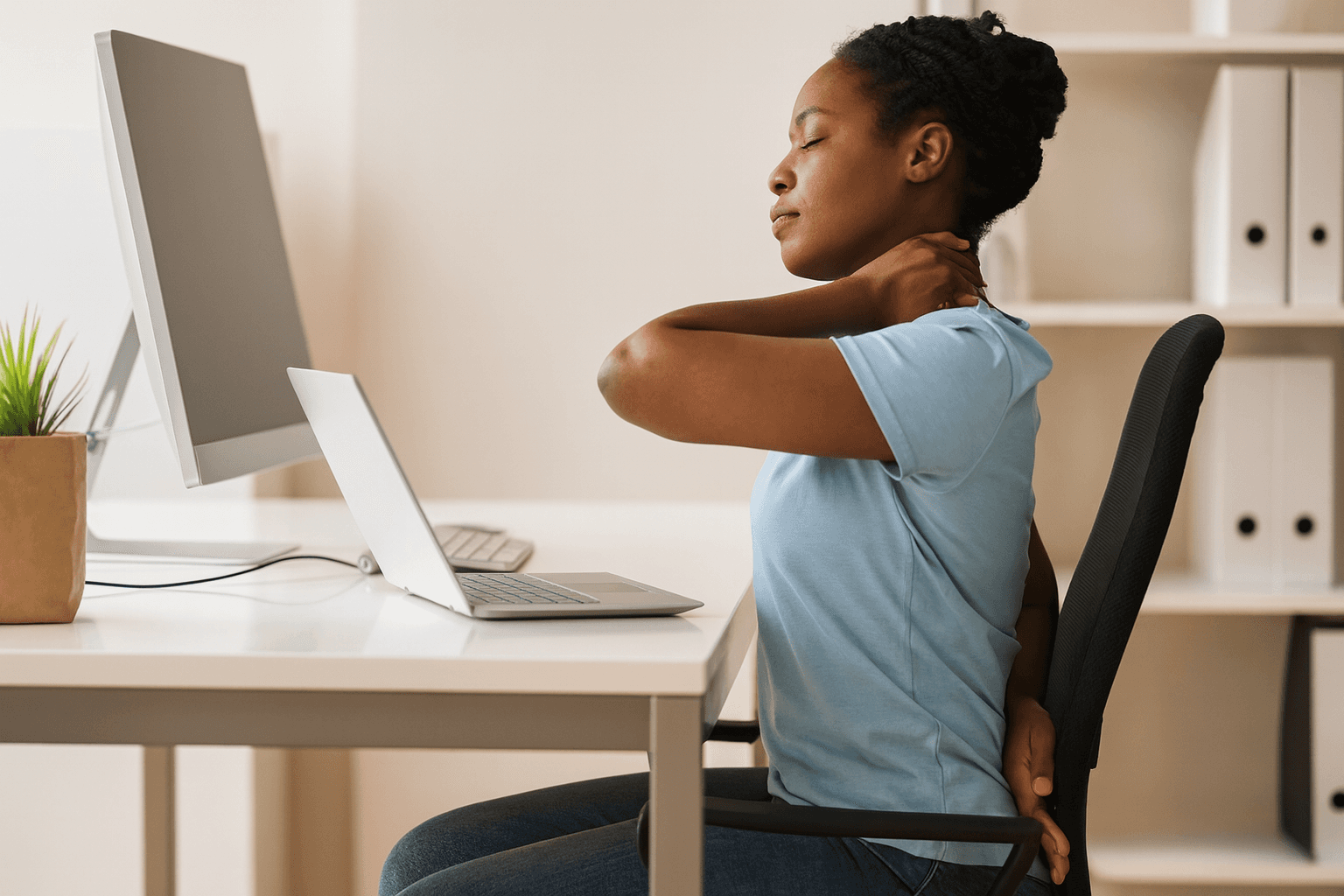
Spending long hours hunched over a computer or looking down at a phone can place a lot of stress on your lower back. Slouching shifts your spine out of its natural alignment and can lead to muscle fatigue and strain [2].
2. Weak Core Muscles
Your core muscles (not just your abs, but also the muscles in your back and hips) play a key role in stabilizing your spine. If these muscles are weak, your lower back has to work harder to support your body, which can lead to pain or injury over time [3].
3. Sedentary Lifestyle
When you sit too much and move too little, your muscles can become stiff and weak. This makes your lower back more susceptible to strain, even with basic daily movements like bending down or reaching up [4].
4. Overuse or Strain
Doing too much too soon—like lifting heavy objects improperly or suddenly increasing physical activity—can strain the muscles and ligaments in your lower back. This is especially common in people who go from being mostly sedentary to engaging in vigorous exercise without easing into it [5].
5. Aging and Degeneration
As we age, natural changes occur in the spine. Discs can become thinner and lose flexibility, and joints can develop arthritis. These changes don’t always cause pain, but for some people, they can contribute to stiffness or discomfort in the lower back [6].
6. Stress and Tension
Believe it or not, emotional stress can actually cause physical tension, especially in the back and shoulders. When you're stressed, your muscles tend to tighten up, and chronic tension can lead to ongoing discomfort [7].
What Does Lower Back Pain Feel Like?
The experience of lower back pain can vary from person to person. For some, it’s a dull ache that comes and goes. For others, it can be a sharp or stabbing sensation that makes it difficult to move. You might feel stiffness in the morning or pain that worsens with certain movements like bending, lifting, or prolonged sitting.
How Can You Help Prevent Lower Back Pain?
The best way to deal with lower back pain is to take steps to prevent it before it becomes a bigger issue. Here are some simple, practical things you can do every day:
1. Stay Active
Movement is one of the most effective ways to keep your lower back healthy. Walking is especially helpful, as it gets your body moving without putting too much stress on your joints. Aim to take regular walks throughout the day to break up long periods of sitting [8].
2. Strengthen Your Core
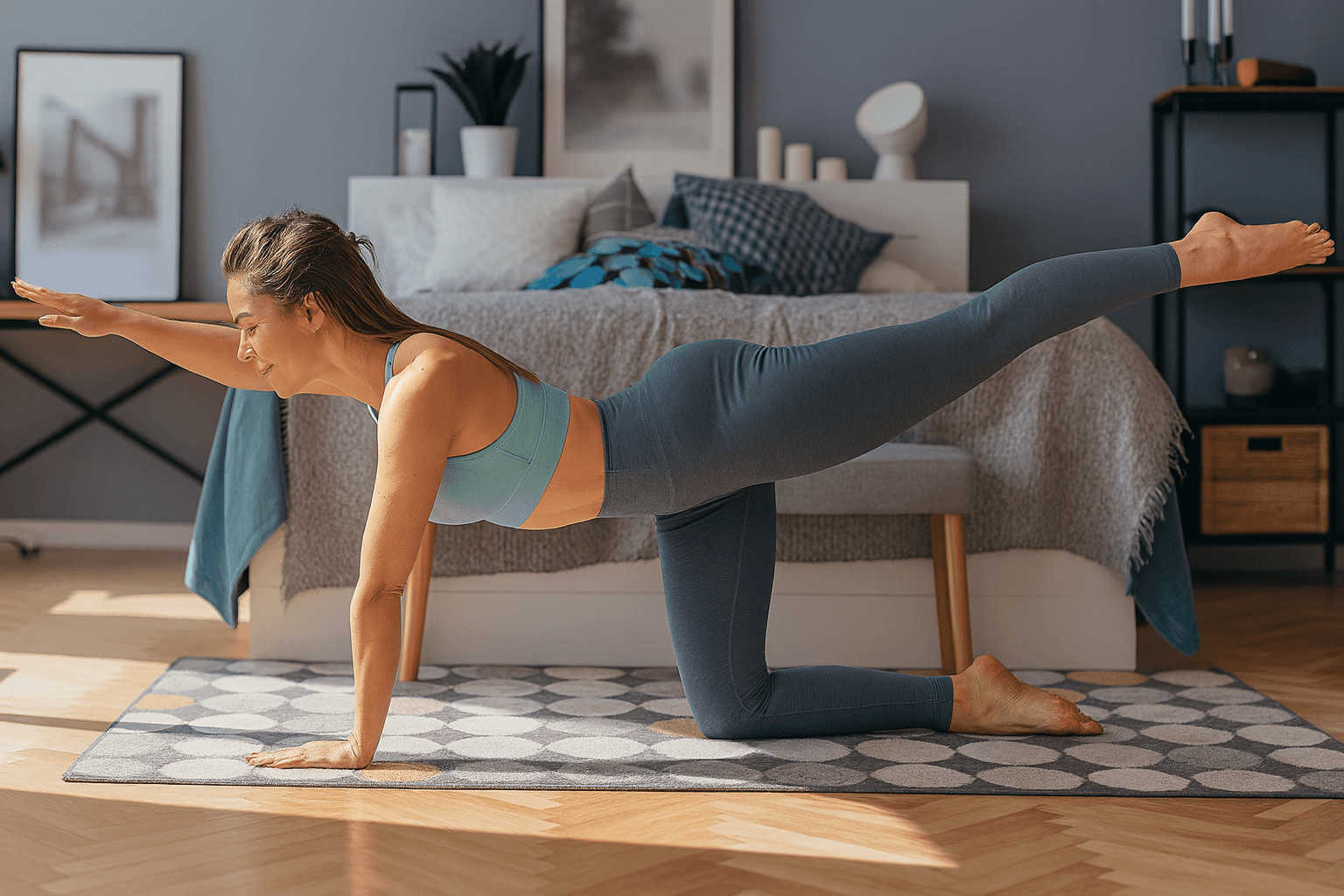
Building strength in your core muscles helps support your spine and takes pressure off your lower back. This doesn’t mean doing endless crunches—simple, low-impact exercises like bridges, planks, or even guided movement therapy can make a big difference over time [9].
3. Practice Good Posture
Try to keep your spine in a neutral position, especially when sitting or standing for long periods. Sit tall with your shoulders relaxed and your feet flat on the floor. If you're at a desk, make sure your monitor is at eye level and your chair supports your lower back.
4. Lift Smart
When lifting heavy objects, bend your knees—not your back. Keep the object close to your body and avoid twisting while lifting. Even better, ask for help if something feels too heavy or awkward.
5. Stretch Regularly
Gentle stretching can improve flexibility and relieve tight muscles that may contribute to back pain. Simple movements like knee-to-chest stretches, pelvic tilts, and spinal twists can be effective when done consistently.
6. Use Ergonomic Supports
If you spend a lot of time sitting, consider using a lumbar support pillow or an adjustable chair to encourage good posture. Standing desks and sit-stand workstations can also help reduce strain during the workday [10].
7. Manage Stress
Because stress and anxiety can lead to muscle tension, finding ways to relax your body and mind—whether it’s through breathing exercises, mindfulness, or light movement—can have a positive impact on back discomfort [11].
When Should You Pay Closer Attention?
Most lower back pain improves on its own with time and simple lifestyle adjustments. But if your pain lasts longer than a few weeks, gets worse instead of better, or is accompanied by other symptoms like numbness or weakness in the legs, it’s important to speak to a healthcare provider for further evaluation [12].
Final Thoughts
Lower back pain might be incredibly common, but that doesn’t mean you have to accept it as a normal part of life. Understanding what contributes to it—and taking small, consistent steps to protect your back—can go a long way in keeping you active and feeling your best.
Whether it’s standing a little taller, going for a short walk each day, or taking a few minutes to stretch, every bit counts. The more you move mindfully and support your body, the more your lower back will thank you.
This article and its contents are provided for educational and informational purposes only and do not constitute medical advice or professional services specific to you or your medical condition.
How Sprin supports Back Health
Sprin supports you at the earliest signs of discomfort with AI guided exercise programs, daily walking goals, and easy-to-follow education modules – anywhere, anytime! Sprin’s built-in rewards system motivates you to stay active by turning movement into Sprin Coins you can redeem for real rewards you can spend! Sprin helps you build lasting habits and making recovery feel rewarding.
References
[1] Vos, T. et al. (2020). Global, regional, and national burden of 369 diseases and injuries for 204 countries and territories, 1990–2019. The Lancet, 396(10258), 1204–1222.
[2] Claus, A. P. et al. (2009). Spinal posture and muscle activity during sitting and standing. Spine Journal, 9(6), 672–679.
[3] Hicks, G. E. et al. (2005). Trunk muscle composition as a predictor of reduced functional capacity in the older adult. Spine, 30(14), E386–E392.
[4] Dunstan, D. W. et al. (2012). Too much sitting – A health hazard. Diabetes Research and Clinical Practice, 97(3), 368–376.
[5] Gordon R, Bloxham S. A Systematic Review of the Effects of Exercise and Physical Activity on Non-Specific Chronic Low Back Pain. Healthcare (Basel). 2016 Apr 25;4(2):22.
[6] Maher, C. et al. (2017). Non-specific low back pain. The Lancet, 389(10070), 736–747.
[7] Linton, S. J. (2000). A review of psychological risk factors in back and neck pain. Spine, 25(9), 1148–1156.
[8] Shnayderman, I. et al. (2013). Physical activity and back pain: A systematic review. American Journal of Public Health, 103(4), e73–e84.
[9] Stuber, K. J. et al. (2014). Core stability exercises for low back pain in athletes. Sports Health, 6(6), 504–510.
[10] Robertson, M. M. et al. (2009). Office ergonomics training and a sit-stand workstation: Effects on musculoskeletal and visual symptoms and performance. Human Factors, 51(1), 69–87.
[11] Morley, S. et al. (2005). Psychological approaches to chronic pain management. BMJ, 330(7481), 103–107.
[12] Chou, R. et al. (2007). Red flags for low back pain: A systematic review. Annals of Internal Medicine, 147(7), 478–491.